
How can a small business use America's 250th birthday to bring in customers?
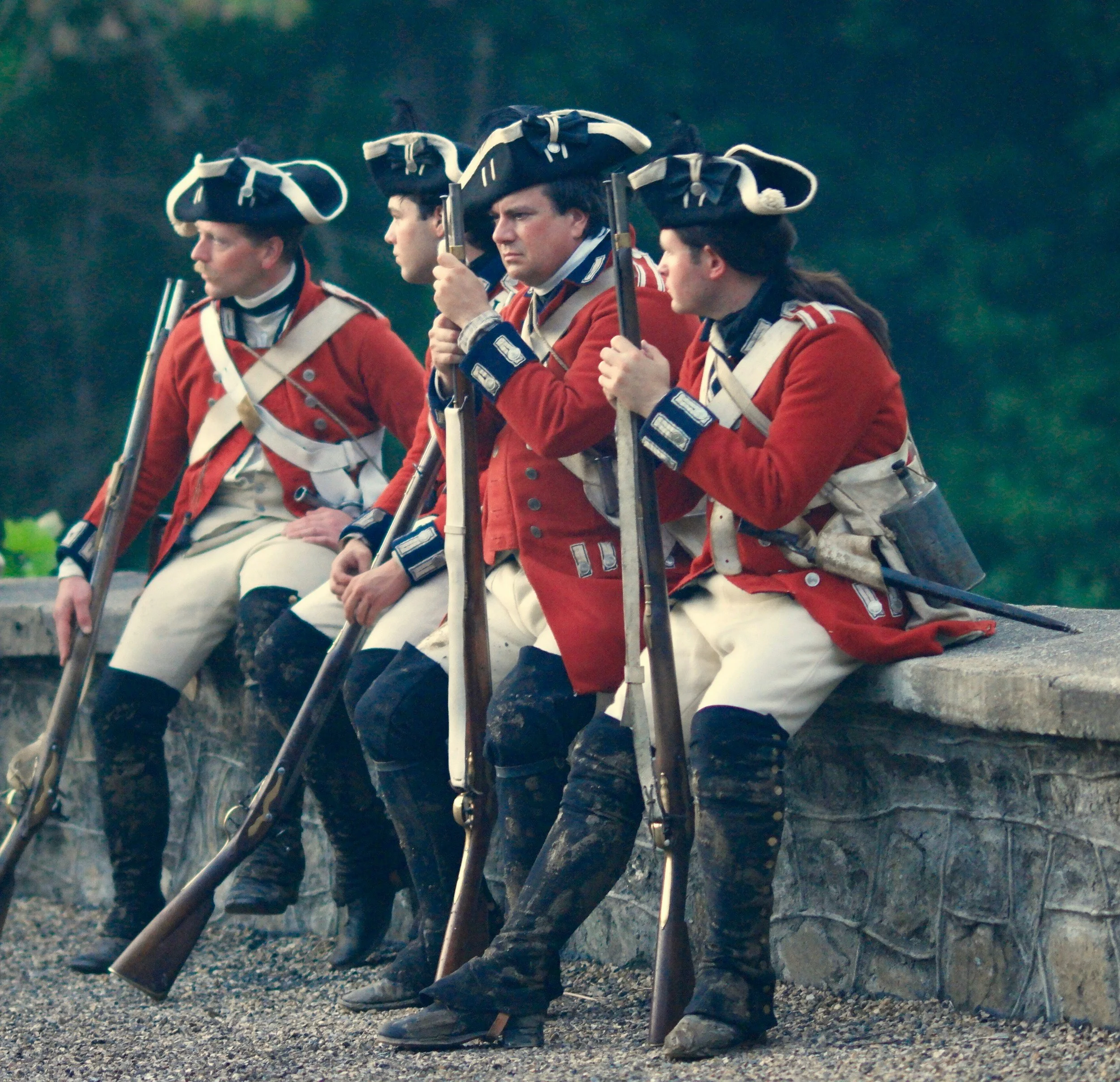
Traditional Red Coat Players taking a break from role play in New England
America turns 250 on July 4, and the celebration has already started with local block parties, merch more, nationwide. For a small shop, café, or farm, that's not a flag-waving obligation; it's the biggest built-in foot-traffic event in a generation. Here's how to plug in without spending much or selling out.
This isn't a normal Fourth of July. The country has been building toward the semiquincentennial, that's the official word for the 250th, for over a year, and the peak is a five-day national stretch with "America's Block Party" gatherings happening in towns everywhere July 3 and 4. People will be out, in their communities, in a buying-and-celebrating mood. "Made in America" and locally made goods are already selling faster because of it.
You don't need a parade float. You need a reason for your people to come to you during the busiest local week of the year.
Why does this matter for a business in Western Mass specifically?
New England is where a lot of this story actually happened, and that pride runs deep. The Revolution isn't an abstraction here; it's town greens, old mills, stone walls, and the same farmland that fed the early colonies. That's a marketing gift. Your "local" and the nation's "founding" overlap in a way they don't in most of the country.
That means a Bernardston shop or a Bristol County farm can tell a story that's both patriotic and genuinely, specifically yours, without it feeling like a cheap promotion. You're not bolting a flag onto a sale. You're connecting what you make to where you make it, in a place that's been making things since before there was a United States.
What's the simplest way to participate?
Pick one. Don't try to do all of these — a busy small business owner does one thing well, not five things halfway.
A "Made Right Here" feature. Spotlight the local goods you carry or grow and tell people exactly where each one comes from. A small sign, a quick Instagram series, a table at the front of the shop. The 250th has made "where's this from" a question people are actively asking.
A simple themed offering. A red-white-and-blueberry pie. A "1776" bundle. A founding-recipe special at the café. One item, clearly named, easy to photograph.
Join your town's celebration. Check your local America 250 or town calendar; most New England towns are running something July 3–5. A table, a donation, a sponsorship, or even just being open and decorated during the block party puts you in front of everyone who shows up. I follow @massachusetts250 on Instagram.
A small giveaway. Tote bags, stickers, a free coffee with purchase that week. Patriotic giveaway items are moving fast this year for a reason — they're cheap visibility that people actually keep.
How do you market it without sounding like everyone else?
Lead with your story, not the holiday. Everyone's going to post a flag on July 4. You're going to post why your thing belongs in this moment.
Instead of "Happy 250th! 25% off!" try: "250 years ago, farms in this valley fed a brand-new country. We're still here, still growing it. Come celebrate with us this weekend." Same holiday. Completely different feeling. One sounds like a banner ad. The other sounds like a neighbor with roots.
Post it the week before so it lands while people are planning their long weekend. One photo, one true sentence about your place, one clear invitation. Then show up and be present during the actual celebration — that's where the photos and the word-of-mouth happen.
The takeaway
The 250th is a once-in-a-generation reason for your community to gather and spend locally, and New England's history makes your version of it more authentic than almost anywhere else. Pick one simple way to participate, tell the story of your place rather than just waving a flag, and post it before the long weekend so you're part of the plan. This is the rare marketing moment where the whole country is doing your top-of-funnel work for you. Show up for it.
Planning a seasonal campaign and want a second set of eyes? Seasonal campaign planning is exactly the kind of thing we work through one-on-one in Marketing Consulting, or that you'll learn to run yourself inside the Academy.
P.S. Whatever you do for the 250th, take photos of it. This is a "remember when" year for your town, and being visibly part of it is the kind of goodwill that pays off long after the fireworks are over.
