
How do you get summer visitors to actually stop at your farm stand?
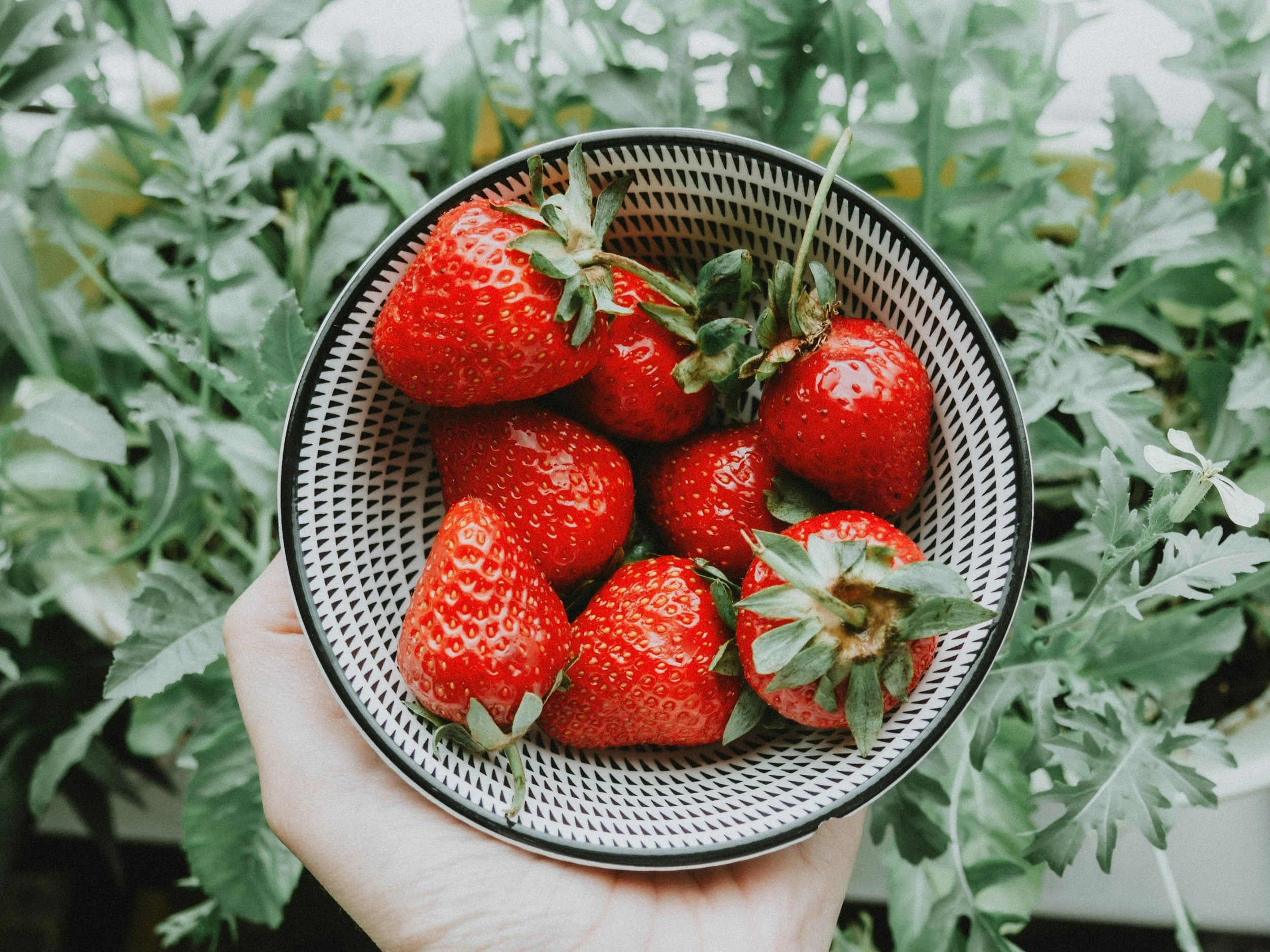
People are driving past your farm stand right now. The trick to getting them to pull over isn't a bigger sign; it's showing up where they're already looking before they leave the house. Here's the system that works for a small New England farm.
Every June, it's the same. The strawberries come in, the stand fills up, and you watch cars slow down, look, and keep driving. You know your product is good. So why don't they stop?
Stopping is a decision people make before they're in front of you. By the time they see your hand-painted "PYO STRAWBERRIES" sign at 45 miles an hour, they've already mentally committed to wherever they were headed. The work of getting them to stop happens earlier, on their phone, the night before, when they search "pick your own strawberries near me" or ask their phone where to take the kids on Saturday.
That's the whole game. Let's make you the answer.
Why does "near me" matter more than ever this summer?
Two things changed how people find a farm stand.
First, agritourism is having a real moment. Travelers are seeking out farm visits, pick-your-own, and "get out of the city" weekends more than they have in years; collecting eggs, picking berries, walking a real working farm. The demand is there. People want what you have.
Second, more of those searches now end in an answer, not a list of links. When someone asks their phone or ChatGPT, "where can I pick strawberries in Western Mass this weekend?" they increasingly get a direct recommendation: a name, hours, and what's ripe. If that recommendation isn't you, you're invisible, even if your berries are the best in Franklin County.
The good news: you don't need a big budget to be the answer. You need to be findable, current, and specific. That's it.
What's the one thing to fix first?
Your Google Business Profile. If you do nothing else this week, do this.
This is the single most important piece of marketing real estate a farm stand has, and it's free. It's what feeds the map, the "near me" results, and the AI answers. Here's your 20-minute fix:
Update your hours for the season. If you're open weekends only in June, say so. Nothing kills a visit faster than someone driving 30 minutes to a closed gate.
Post a photo from this week. Not last year's. This week's berries, this week's stand. Treat the photo upload like a quick social post; fresh photos signal you're open and active.
Add one Update post that says exactly what's ripe right now. "Strawberries are in. Open Saturday and Sunday, 9 to 3, until they're gone." Update it as the season shifts to blueberries, then sweet corn.
Check that your category is "Farm" or "Produce Market," not something generic. The specific category is what gets you matched to the specific search.
That profile is now doing the work of stopping cars, before anyone's even in the car.
What do you post the night before a big weekend?
Here's the rhythm that turns a follower into a customer standing at your table.
Thursday or Friday, post one photo and one clear sentence on Instagram and Facebook: what's ripe, when you're open, and one human detail. "First flat of the season. We'll be out at the stand Saturday at 9 — coffee's on." That last bit matters. People don't drive out for produce. They drive out for the experience of a Saturday morning at the farm. Sell in the morning.
Then, and this is the part most people skip, pin that post or save it to your Stories so it's the first thing anyone sees when they check you out Friday night. That's exactly when the "what should we do tomorrow" decision gets made.
One post. One photo. One clear ask. That's a marketing system, not a marketing scramble.
The takeaway
You're not competing on berries. You're competing on findability. Fix your Google Business Profile this week, post the night before your busy days, and sell the morning, not the produce. Do that consistently, and the cars start stopping, because they decided to before they ever saw your sign.
Want the full system, your website, your email list, your seasonal calendar, all working together? That's what we build inside the Farm Fox Hill Marketing Academy. One short lesson a week, in plain English, for people running real businesses.
P.S. The farms that win the summer aren't just the ones with the best soil. They're the ones whose neighbors know what's ripe before they've finished their coffee. Be that farm.
